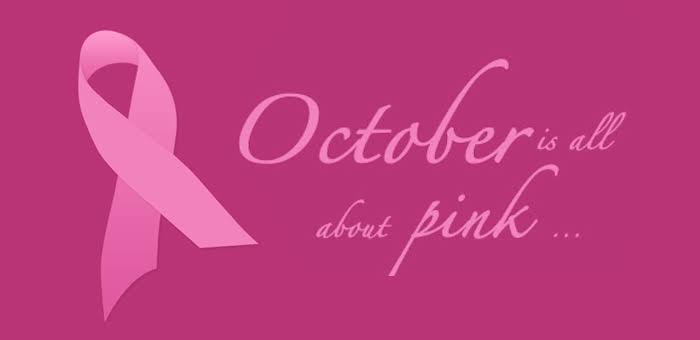
💗 What Does Think Pink Mean?
"Think Pink" is commonly associated with breast cancer awareness. The pink ribbon is widely recognized as a symbol of breast cancer awareness and support.
Awareness can encourage people to learn about breast health, understand their individual risk factors, follow recommended screening guidance, and seek medical advice when they notice something unusual.
🎀 About Breast Cancer
Breast cancer occurs when cells in the breast grow abnormally and form a tumor. There are different types of breast cancer, and each person's situation is different.
Awareness
Learn about breast health and know what is normal for your body.
Screening
Screening can help detect breast cancer before symptoms appear. Recommendations depend on factors such as age and personal risk.
Healthy Habits
Physical activity, maintaining a healthy weight, and avoiding tobacco can support overall health.
Medical Advice
Talk to a qualified healthcare professional about your individual risk and appropriate screening.
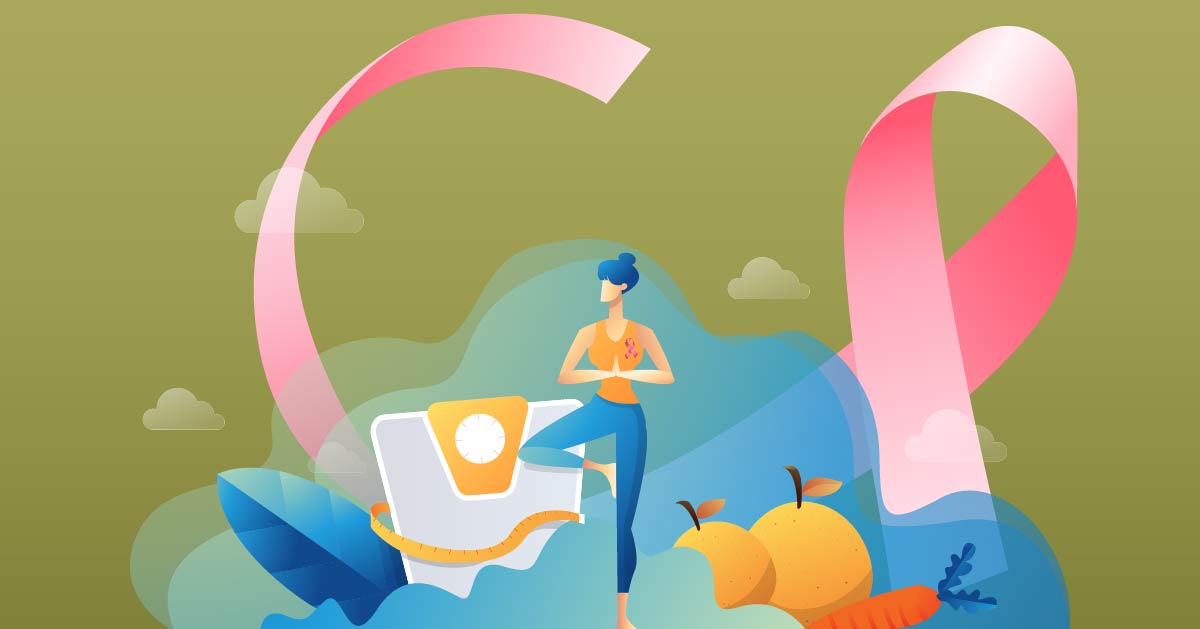
⚠️ Possible Warning Signs
Changes in the breast do not always mean cancer, but a new or unusual change should be discussed with a healthcare professional.
- A new lump or thickening in the breast or underarm.
- A change in the size or shape of the breast.
- Changes in the skin of the breast, such as dimpling.
- A change in the appearance of the nipple.
- Nipple discharge that is unusual for you.
- Persistent pain or another unexplained breast change.
🛡️ Risk Reduction & Prevention
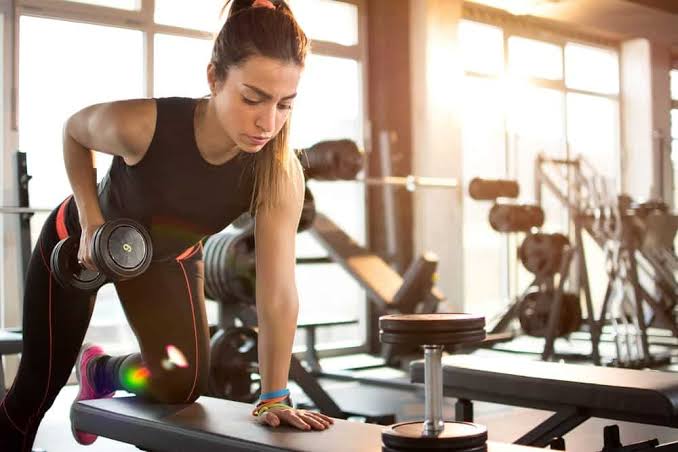
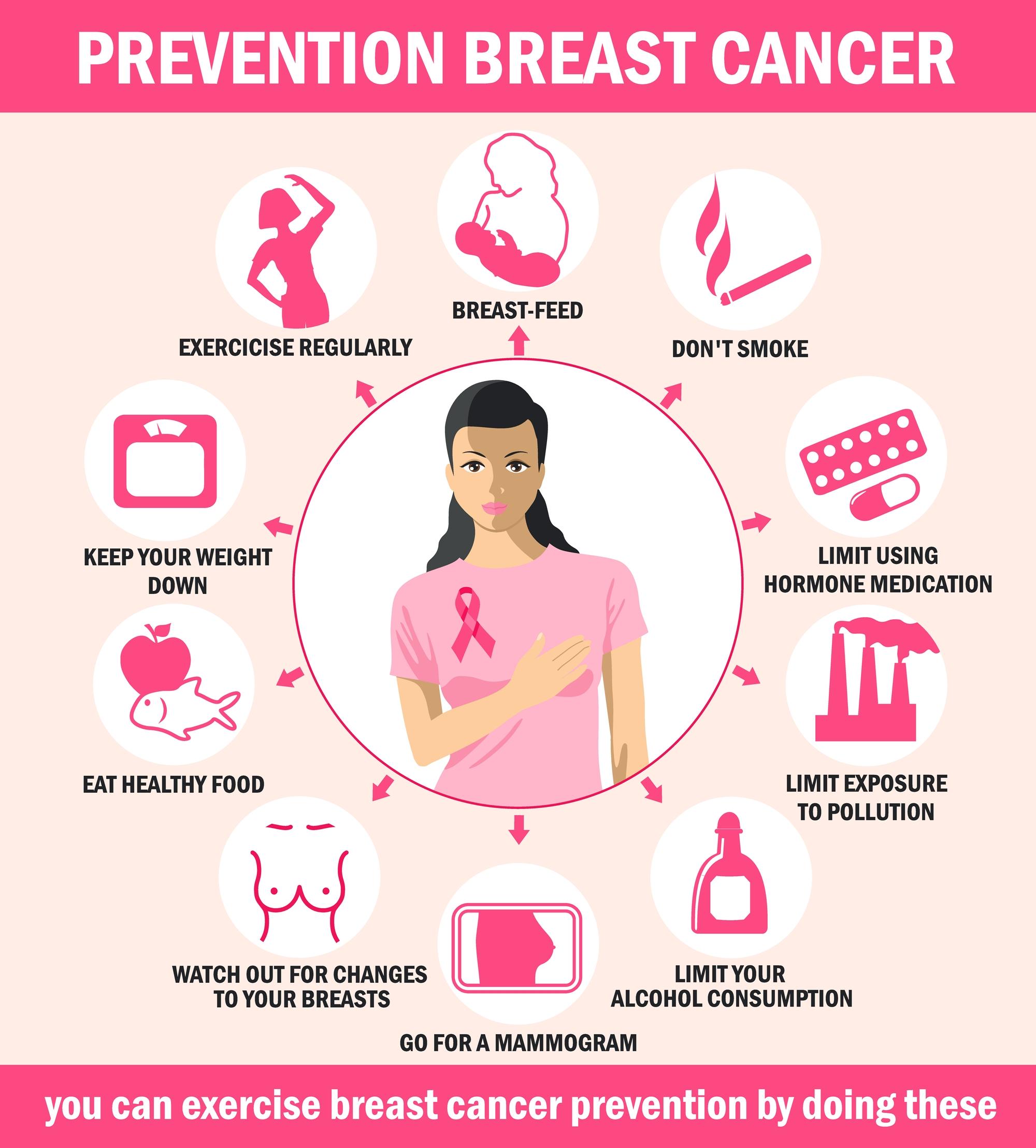
Not every breast cancer can be prevented. Some risk factors cannot be changed, such as age and certain inherited genetic factors. However, healthy habits may reduce the risk of developing breast cancer and can improve overall health.
🏃 Stay Active
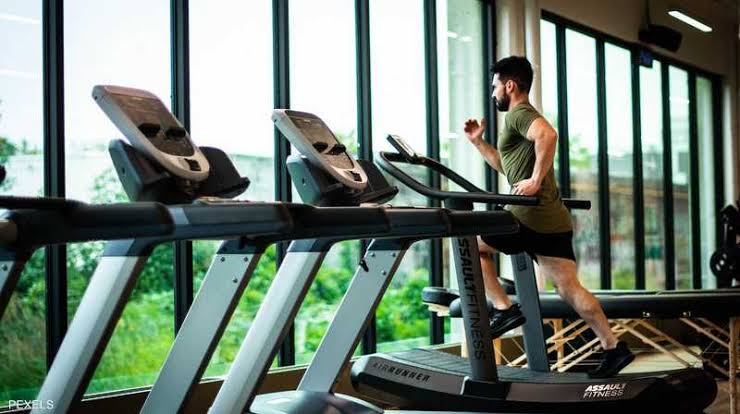
Regular physical activity is an important part of a healthy lifestyle.
🥗 Eat Well
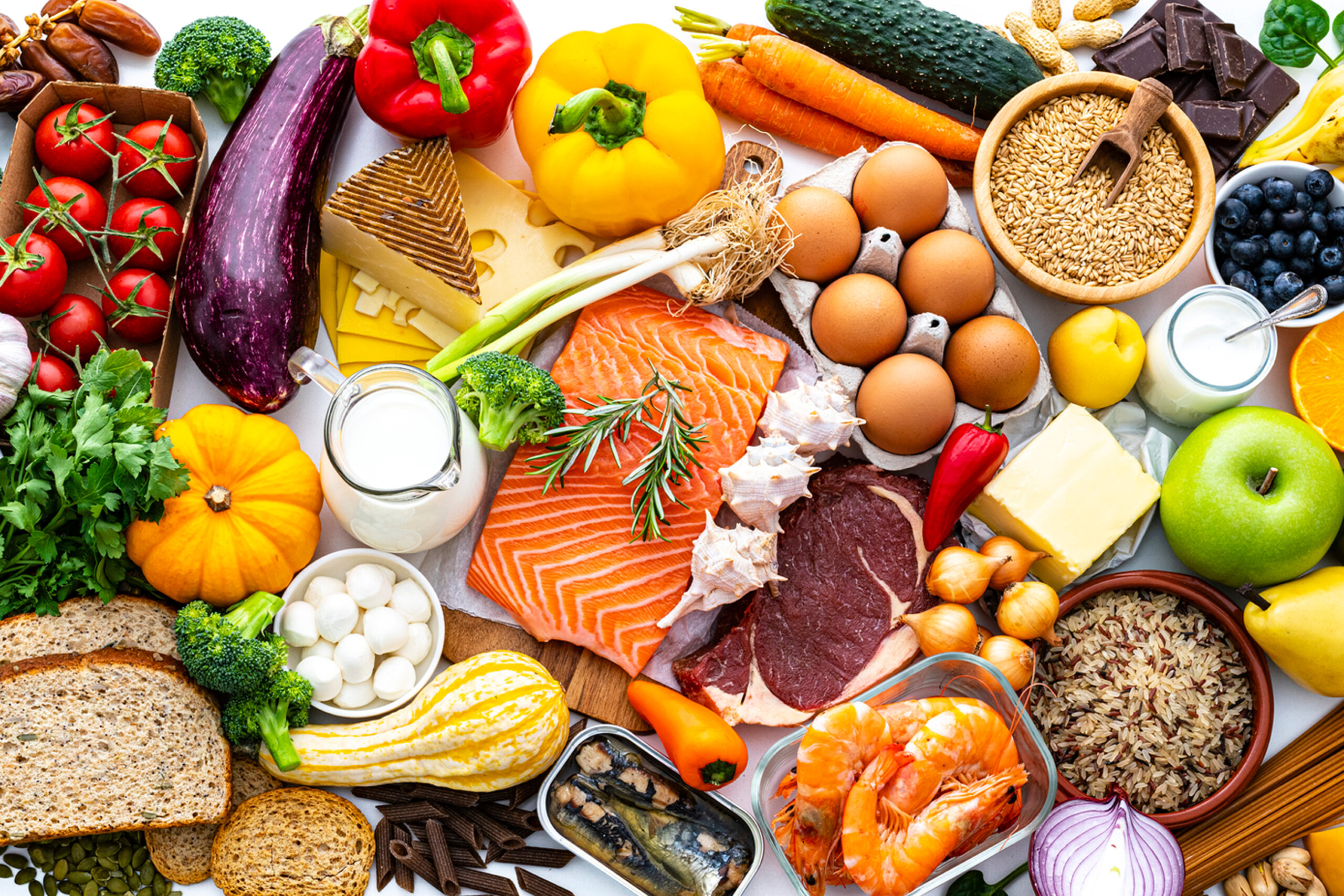
Choose a balanced diet with plenty of vegetables, fruits, whole grains and other nutritious foods.
🚭 Avoid Tobacco
Avoid smoking and other tobacco products to protect your overall health.
🍷 Limit Alcohol
Alcohol consumption is associated with increased breast cancer risk. Less alcohol generally means lower risk.
⚖️ Healthy Weight
Maintaining a healthy weight, particularly after menopause, may help reduce breast cancer risk.
🩺 Screening
Follow screening recommendations appropriate for your age, risk level and country.
🌱 Healthy Lifestyle
1. Move Your Body
Try to include regular physical activity in your daily routine. Walking, cycling, swimming, dancing and other activities can all contribute to an active lifestyle.
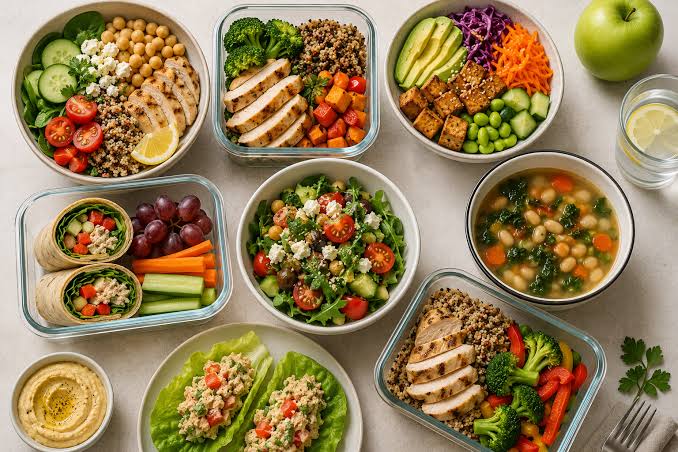
2. Eat a Balanced Diet
Build meals around vegetables, fruits, whole grains, legumes and other nutritious foods. Limit highly processed foods when possible.
3. Get Enough Sleep
Good sleep supports physical and mental wellbeing. Try to maintain a consistent sleep schedule.
4. Manage Stress
Relaxation, physical activity, social connection, hobbies and mindfulness can be useful parts of a healthy lifestyle.
5. Keep Regular Health Appointments
Regular conversations with healthcare professionals can help you understand your personal health risks and preventive care needs.
🎀 Taking Action

Know the Signs
- Early detection can greatly improve treatment outcomes.
- A new lump or thickening in the breast or underarm should be checked.
- Notice changes in breast size, shape, skin texture, or the nipple.
- Unexpected nipple discharge should be discussed with a healthcare professional.
- Most lumps are benign, but every unusual change should be evaluated.
Individuals, Schools & Communities
- Individuals: Build healthy habits, know what is normal for your body, and talk about prevention.
- Schools: Promote health education, awareness campaigns, nutritious food, and active lifestyles.
- Communities: Support accessible screening, awareness campaigns, and community health activities.
💡 Questions Behind Our Project
Which Track Interests Us?
“Small Shifts, Lifelong Strength” — focusing on simple daily habits instead of difficult lifestyle changes.
Who Do We Want Our Message to Reach?
Young adults and working people who may get stuck in busy, inactive routines.
What Message Do We Want People to Learn?
Prevention is addition, not deprivation. Small consistent habits can be more useful than trying to change everything at once.
How Can We Make the Idea Interesting?
Use simple “exercise snacks,” such as a short walk after a meal, and easy if-then plans for busy days.
How Can We Create Positive Community Action?
Peer accountability groups can encourage people to support each other and make healthy choices together.

🎀 Success Story: The Community Ribbon Initiative
A school and local health center worked together to spread awareness through student-made infographics, a week-long exhibition, pink ribbons, educational flyers, and a health pledge. A mobile screening bus also helped bring health services closer to the community.
The project showed how students, schools, and communities can work together to turn awareness into positive action.
💡 Which Track Interests Us?
Small Shifts, Lifelong Strength — focusing on low-friction micro-habits rather than intimidating life overhauls.
Resources: Stanford Lifestyle Medicine & American College of Lifestyle Medicine (ACLM) core behavior pillars.
1. Who Do We Want Our Messages to Reach?
Answer: Young adults and working professionals (ages 22–45) caught in sedentary “busy traps”.
Resources: Centers for Disease Control and Prevention (CDC) & World Health Organization (WHO) public health data on sedentary risks.
2. What Message Do We Want People to Learn?
Answer: Prevention is addition (not deprivation), and consistency beats intensity.
Resources: WHO Guidelines on Physical Activity and Sedentary Behaviour & behavioral psychology habit-formation research.
3. How Could We Make Our Idea Interesting and Meaningful?
Answer: Use “exercise snacks” (like post-meal walks) and “if-then” planning to handle busy schedules without guilt.
Resource: Dr. Peter Gollwitzer’s Implementation Intention Research models.
4. How Does Our Idea Connect to Community Awareness and Positive Action?
Answer: Build peer accountability circles that turn individual wellness into a shared community asset.
Resource: CDC Community Health Guidelines on social support networks.

🌱 Prevention and Healthy Lifestyle
Prevention is an important part of protecting our health. Instead of waiting for illness to happen, we can make healthy choices every day. Eating healthy food, exercising, avoiding smoking, and visiting healthcare professionals when necessary can help prevent many diseases.
The Bahrain Ministry of Health encourages people to follow healthy lifestyles to reduce the risk of diseases such as diabetes, obesity, and heart disease. For example, in February 2026, the Ministry continued its “Yalla Namshi” walking initiative, where people participated in 30-minute group walks across Bahrain. This is a real example of how the community can work together to become more active and prevent disease.
Healthy eating is also important. People should eat more fruits and vegetables, drink enough water, and reduce foods that contain too much sugar, salt, and unhealthy fats. Regular physical activity can also help people maintain a healthy weight and improve their overall health.
Prevention does not mean ignoring health problems. If someone notices unusual or serious symptoms, they should speak to a healthcare professional. If the condition is severe or becomes worse quickly, going to a hospital may be necessary. Asking for medical help early can protect a person's health and sometimes prevent complications.
🎀 A Message Through Poetry
Choose good food and move each day,
Keep harmful habits far away.
Walk with friends and care for you,
Small healthy steps can make dreams true.
When your body sends a sign,
Do not ignore it—take the time.
Ask for help when you are unwell,
Your health is precious—protect it well.
In conclusion, prevention begins with simple choices. Healthy eating, physical activity, avoiding tobacco, and seeking medical advice when needed can make a real difference. As the Bahrain Ministry of Health's current activities show, prevention is not only something we learn about—it is something we can practise every day.
🛡️ Prevention Through Lifestyle
Up to 30–50% of cancer cases can be prevented with healthy daily choices.
- Stay Active: 150 minutes of moderate exercise weekly helps regulate hormones and weight.
- Eat Well: Choose antioxidant-rich fruits, vegetables, and whole grains.
- Limit Risks: Avoid tobacco and restrict alcohol to protect cellular health.
- Maintain Weight: Helps lower hormone-related risk factors.
⚠️ Know the Signs
Early detection yields a 90%+ 5-year survival rate.
- New lump or tissue thickening in the breast or underarm.
- Changes in breast size, shape, or skin texture (dimpling/redness).
- Nipple changes or unexpected discharge.
🩺 Taking Action
- Self-Awareness: Check monthly to know what is normal for your body.
- Clinical Exams: Get checked during routine doctor visits.
- Mammograms: Regular screening generally starts around age 40–45, or earlier if high-risk.
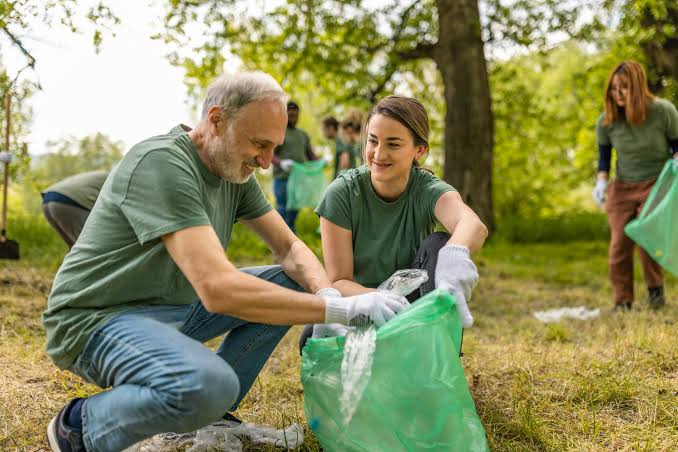
🏫 Taking Action: Individuals, Schools & Communities
Driving positive change in health awareness requires action across all levels of society.
1. Individuals
- Practice Routine Self-Awareness: Perform regular monthly self-checks to understand your body's baseline.
- Adopt Healthier Habits: Incorporate daily physical movement, prioritize whole foods, and avoid tobacco.
- Speak Up: Openly discuss health screening and prevention with family and friends to reduce stigma.
2. Schools
- Integrate Health Literacy: Include age-appropriate health and wellness education in physical education and science curricula.
- Organize Awareness Campaigns: Host annual exhibitions, fundraiser walks, or guest speaker seminars.
- Promote Healthy Environments: Offer nutritious options in school cafeterias and encourage active play and sports programs.
3. Communities
- Provide Accessible Screenings: Organize mobile mammogram units or free local health clinics for underserved areas.
- Support Local Families: Establish support groups and community volunteer networks for patients undergoing treatment.
- Launch Public Campaigns: Use local media, parks, and community centers to share early detection information in multiple languages.
🎀 Success Story: The Community Ribbon Initiative
The Goal
Oakridge High School partnered with the local town health center to boost health awareness and screening attendance in their neighborhood.
The Strategy
- Student Advocacy: Science students designed interactive infographics and ran a week-long exhibition at the school.
- Community Pledge: Students distributed pink ribbons and educational flyers at local markets, inviting residents to sign a “Health Pledge” promising to schedule their annual check-ups.
- Local Access: The school hosted a mobile health screening bus in its parking lot over the weekend, offering free clinical checks and guidance.
The Outcome
Over 300 community members completed health screenings during the weekend event. Two early-stage cases were identified and successfully treated promptly. The project won a regional civic initiative award and is now an annual tradition uniting students, families, and healthcare workers.

📚 SSE: Prevention & Healthy Lifestyle
1. Prevention:
Healthy habits can lower the risk of diseases and keep our bodies strong.
2. Four Healthy Habits:
- Eat healthy food.
- Exercise regularly.
- Get enough sleep.
- Avoid smoking and harmful habits.
3. Positive Lifestyle Messages:
- “Move more, feel stronger!”
- “Eat healthy, live healthy!”
- “Small choices make a big difference!”
4. How Families Can Help:
- Cook healthy meals.
- Exercise together.
- Encourage good sleep.
- Be healthy role models.
- Support healthy choices.
5. How Communities Can Help:
- Provide safe parks.
- Organize sports activities.
- Promote health campaigns.
- Offer healthy food choices.
- Share disease-prevention information.
Regular exercise and a balanced diet can reduce the risk of many diseases.
❓ SSE Questions & Answers
1. What is prevention?
Answer: Healthy habits can lower the risk of diseases and keep our bodies strong.
2. What are four healthy habits?
Answer: Eat healthy food, exercise regularly, get enough sleep, and avoid smoking and harmful habits.
3. What are some positive lifestyle messages?
Answer: “Move more, feel stronger!”, “Eat healthy, live healthy!”, and “Small choices make a big difference!”
4. How can families help?
Answer: Families can cook healthy meals, exercise together, encourage good sleep, be healthy role models, and support healthy choices.
5. How can communities help?
Answer: Communities can provide safe parks, organize sports activities, promote health campaigns, offer healthy food choices, and share disease-prevention information.
6. What is the key fact about exercise and diet?
Answer: Regular exercise and a balanced diet can reduce the risk of many diseases.
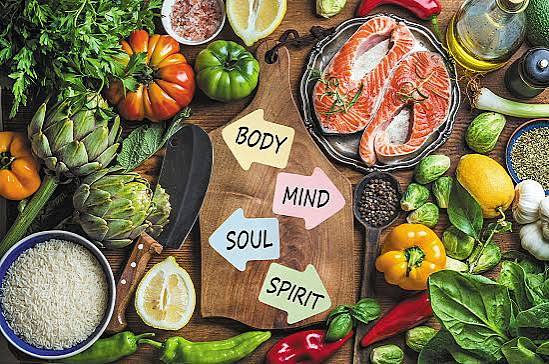 ⏳ THE BODY'S TIME MACHINE
Your lifestyle today builds your future body.
1. THE SCIENCE
Lifestyle → Body Process → Cellular Effect → Long-Term Health
Our daily choices affect our cells, hormones, organs, metabolism, and immune system. Healthy habits can help prevent many chronic diseases.
2. THE THREE AGES
AGE 15 → AGE 30 → AGE 60
Small daily choices can accumulate over years.
3. PATH A: PREVENTION
- Balanced nutrition
- Regular physical activity
- Good sleep
- Stress management
- Avoid smoking
Result: Better heart health • Stronger body • Healthier metabolism • Lower disease risk
4. PATH B: NEGLECT
- Poor diet
- Physical inactivity
- Sleep deprivation
- Chronic stress
- Smoking
Result: Increased risk of chronic diseases and other health problems.
5. KEY ORGANS
🧠 Brain
Sleep & mental balance
7. Why are healthy habits important?
Answer: They can lower the risk of diseases and keep our bodies strong.
8. What are two ways families can support a healthy lifestyle?
Answer: They can cook healthy meals and exercise together.
9. What can communities provide to support healthy living?
Answer: They can provide safe parks and organize sports activities.
10. What should we do to make healthy choices?
Answer: We should make small healthy choices every day.
❤️ Heart
Exercise & healthy diet
🫁 Lungs
Clean air & no smoking
🧬 Liver
Balanced nutrition
💪 Bones & Muscles
Activity & nutrition
6. THE MAIN MESSAGE
“Prevention isn't a one-time action. It's a lifestyle.”
English

📝 Prevention, Lifestyle, and Diseases — Essay
Health is one of the most important things in our lives. The choices we make every day can affect our health now and in the future. A healthy lifestyle includes eating a balanced diet, being physically active, getting enough sleep, and avoiding harmful habits such as smoking. These simple choices can help reduce the risk of many diseases. This is especially important for Think Pink awareness because it reminds people that taking care of their health and learning about prevention can make a positive difference.
A healthy lifestyle can help prevent some diseases by keeping the body strong and supporting its normal functions. For example, eating healthy foods gives the body important nutrients such as vitamins, minerals, protein, and fiber. These nutrients help the body grow, repair itself, and stay healthy. Eating too much unhealthy food, especially foods high in sugar, salt, and unhealthy fats, can increase the risk of health problems. Choosing fruits, vegetables, whole grains, and other nutritious foods is a simple way to support good health.
Physical activity is another important part of disease prevention. Regular exercise helps strengthen the heart, muscles, and bones. It can also help maintain a healthy weight and improve energy levels. Teenagers do not need to make exercise complicated. Walking, cycling, swimming, playing sports, or even dancing can be good ways to stay active. Being physically active regularly can reduce the risk of certain health problems and can also support mental well-being.
There are several lifestyle habits that can reduce the risk of developing diseases. Three important habits are eating a balanced diet, exercising regularly, and avoiding smoking and other harmful substances. Getting enough sleep and managing stress are also important. When people develop healthy habits at a young age, these habits can become part of their daily lives as they grow older. Small changes can have a positive effect over time.
However, lifestyle-related diseases cannot always be completely prevented. Some diseases can be influenced by factors that people cannot control, such as genetics, age, or environmental conditions. This means that even someone who has a very healthy lifestyle can still become sick. However, healthy choices can lower the risk of many diseases and improve overall health. Prevention does not mean that a person will never get sick; it means taking reasonable steps to protect the body and reduce possible risks.
Think Pink awareness is important because it encourages people to pay attention to their health. It can help spread the message that prevention, healthy habits, and awareness matter. Although Think Pink is strongly connected with breast cancer awareness, the message of taking care of our health can encourage everyone to make better choices. Learning about health risks and understanding the importance of early awareness can help people become more responsible about their health.
In conclusion, a healthy lifestyle can play an important role in preventing diseases and improving quality of life. Eating nutritious foods, staying physically active, getting enough sleep, avoiding harmful substances, and managing stress are all useful habits. Diseases cannot always be prevented, but healthy choices can reduce risks and support a stronger body. For teenagers, the Think Pink message is simple: make healthy choices today, learn about prevention, and take care of your health for the future.
🎀 “Ribbon of Hope”
A Cancer Awareness Poem
Small choices help us every day,
Healthy habits guide our way.
Eat well, move, and care with hope,
Prevention helps us learn to cope.
Notice changes, speak up, and care,
Ask for help when something's there.
Early action can make a change,
And support helps us through the strange.
Be kind, be strong, and spread awareness,
Give every person hope and care.
Together we can make a difference,
And build a healthier future with hope.
🎮 Health Car Race vs AI
Race against the AI! Answer correctly to move your car forward. The AI will also move every round.
Loading question...
✅ My Healthy Lifestyle Checklist
🩺 When Should I Talk to a Doctor?
Contact a healthcare professional if you notice a new or unusual breast change, particularly if it persists or concerns you. A healthcare professional can determine whether further examination or testing is appropriate.
💗 Think Pink. Know Your Health. Take Action.

Awareness is an important first step. Learn about your personal risk,
maintain healthy habits, follow appropriate screening recommendations,
and speak with a healthcare professional when you have concerns.
Your future body is being built today.
Prevention isn't a one-time action. It's a lifestyle.